
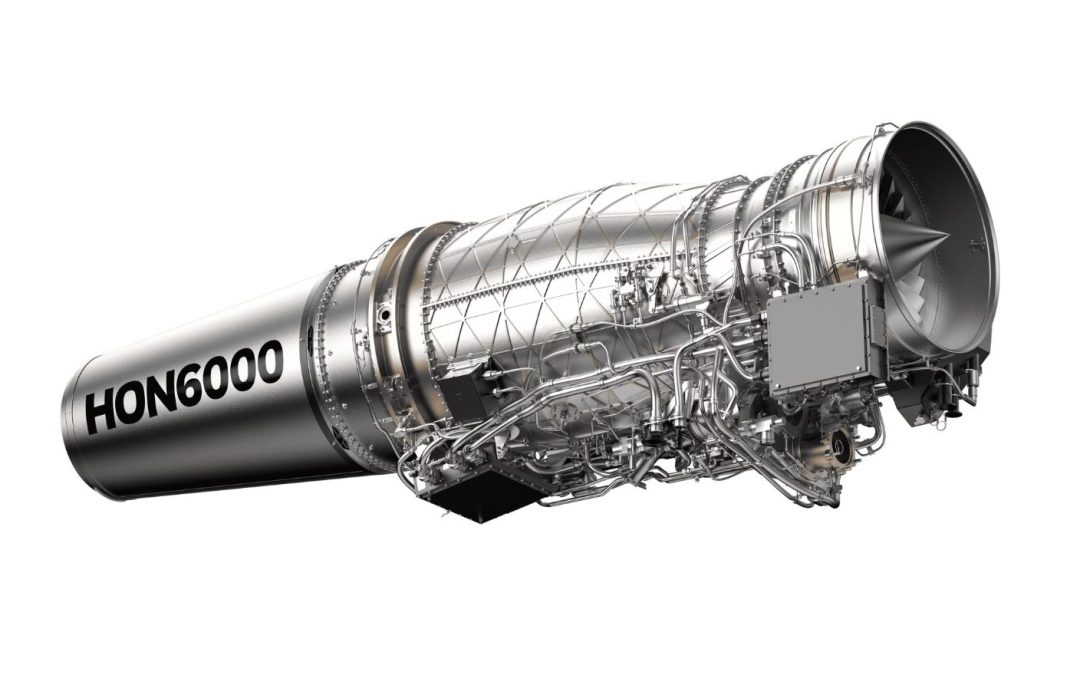
The launch of a new propulsion platform aimed at the rapidly emerging market for autonomous combat aircraft highlights how the aerospace sector is entering a new phase of propulsion innovation.
U.S. manufacturer Honeywell Aerospace has unveiled its HON6000 turbofan engine, designed specifically to power the next generation of un-crewed aircraft. Often described as “loyal wingmen”, these autonomous platforms are expected to operate alongside crewed pilot flown aircraft, designed in reducing risk to human pilots.
The HON6000 is engineered to deliver a high power-to-weight ratio in its thrust class, combining responsiveness, durability and affordability—key attributes for aircraft expected to operate in high-risk environments where platforms may be deliberately expendable.
The development reflects a wider transformation underway in aerospace propulsion, where new mission concepts are reshaping how engines are designed and manufactured.
For advanced precision manufacturers such as ANT Industries, the shift towards autonomous platforms and next-generation propulsion technologies represents both a challenge and an opportunity.
Managing Director Shaun Rowley says the direction of travel is clear.
“What we’re seeing with developments like the HON6000 is a reminder that propulsion technology never stands still. Whether it’s advanced turbofans for autonomous aircraft, electrified propulsion systems or hydrogen-powered engines, the engineering challenges continue to evolve—and that drives demand for increasingly complex precision components.”
Based in Atherstone, ANT Industries has built a reputation for manufacturing high-complexity components used in aero engines and gas turbines. Rowley believes the emergence of platforms such as CCAs will broaden the technological landscape for the supply chain.
“The next decade will see a mix of propulsion technologies operating side by side,” he explains. “Traditional gas turbine architecture is still advancing rapidly, but at the same time we’re seeing serious investment in electrified propulsion and hydrogen combustion. For manufacturers like ANT, the key is staying close to those developments and ensuring we have the capability to support whatever the next generation of engines demands.”
Programs linked to the CCA concept are already gaining momentum in the United States. Rowley says such developments underline the strategic importance of propulsion innovation.
“Autonomous aircraft will fundamentally change how air power is deployed, but the underlying engineering challenge remains the same: building propulsion systems that deliver performance, reliability and efficiency in the most demanding conditions. That’s where precision manufacturing continues to play a critical role.”
As aerospace primes race to develop engines for new mission concepts, the message for the advanced manufacturing supply chain is equally clear: the propulsion revolution is far from over.
Photo source; Honeywell Aerospace